
Introduction – Why are we doing this?
Plzeň-Líně (LKLN) is a General Aviation airport located in the Pilsen region, in uncontrolled class G airspace. There is a business need to improve the operational efficiency of the aerodrome, in particular to:
- increase the safety level, especially in periods of reduced cloud ceiling and/or visibility;
- provide improved services to the regional business community, including the ability to operate bizjet, charter and seasonal flights in order to promote cross-border tourism and commercial activity;
- support local training organisations, notably enabling them to fly instrument procedures without the need for transit flights; and
- expand the range of options available to the operator of the Kryštof 07 HEMS service.
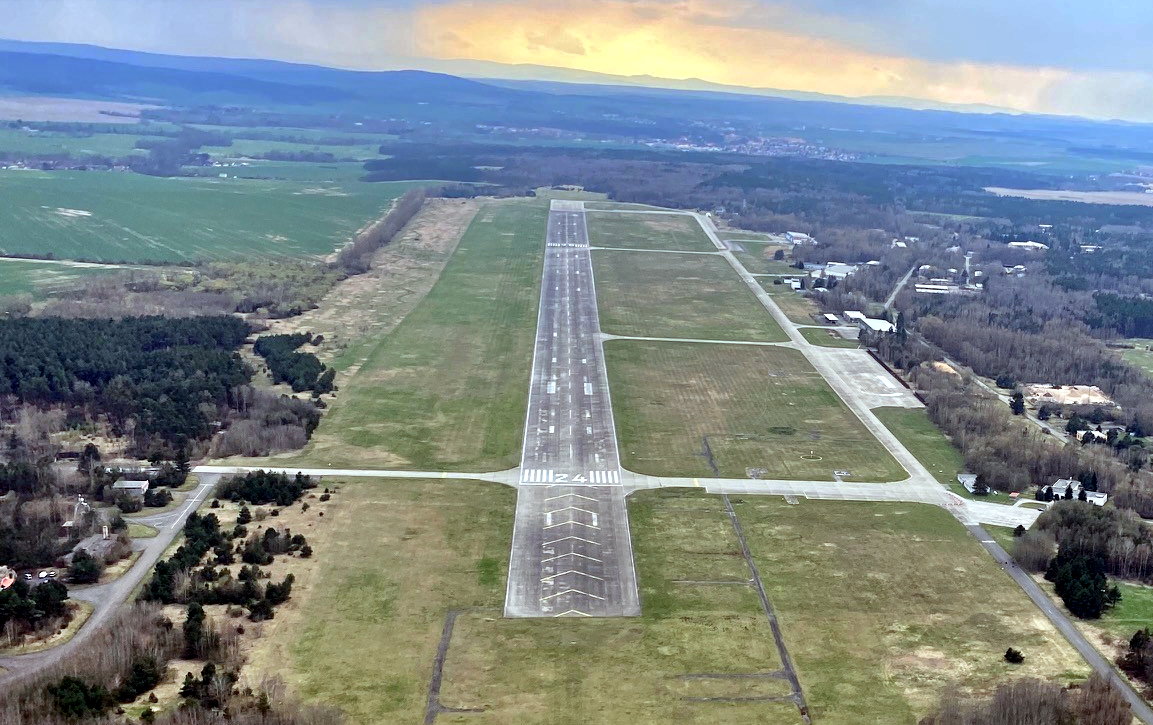
To this end we intend to design, validate, implement and operate instrument flight procedures serving Plzeň-Líně airport. Said procedures will be available to all adequately equipped and certified airspace users and published in the AIP CZ.
Who are we?
This airspace change proposal is sponsored by the ENJOY consortium under the auspices of GSA/GRANT/06/2017-18. The European Global Navigation Satellite Systems Agency (GSA) funds up to 60% of eligible project costs, with the partners covering the rest.
Project partners:
- IDS Airnav S.r.l. (project coordinator)
- Aaltronav s.r.o. (flight procedure design organisation)
- Aviatický klub s.r.o. (flying school)
- EuroUSC Italia S.r.l. (aeronautical consultant)
- FLY FOR FUN s.r.o. (flying school)
- PlaneStation Pilsen s.r.o. (operator of Plzeň-Líně airport)
- WALKS ON AIR s.r.o. (aircraft lessor)
We are a group of companies from the Czech Republic and Italy who have teamed up to promote the development and adoption of modern, satellite based flight procedures to make instrument flying more accessible to General Aviation and regional airports, thereby improving overall safety and contributing to regional development.
Your feedback is important
Whether you have already been identified as a stakeholder (i.e., someone with an interest or concern in the outcome of our project) or are a member of the public, we want to hear from you. We are aware that this proposal will have an impact on a number of people and organisations – it may create opportunities for some, and inconvenience for others. Our aim is to maximise the positives and minimise the negatives.
You can help us achieve that by:
- letting us know your thoughts on each of the principles listed below, which will guide the design and implementation of instrument procedures at Plzeň-Líně; and
- contributing your own suggestions if you think we might have left something out.
You may do that by clicking on the button under each section, or at the end of this page. In each case, your contribution will be sent to us via (encrypted) email. While we regret that the information in this page is at present only available in English, you may write to us in English, Czech, or whichever language you feel comfortable with.
We welcome feedback from anyone, whether you are an aviation professional, a member of the regional business community, an advocacy group, an elected representative, or simply a concerned citizen.
…your questions too
We have tried to make the text accessible to a non-specialist audience by briefly explaining specialist terms when first used and providing links to more information – nevertheless, the text remains necessarily technical in some aspects but we are happy to further clarify as necessary, just ask.
Likewise, if you have any questions or comments that do not concern a particular design principle, let us know.
A note about privacy
Your feedback will be distributed amongst the consortium partners and it may also be published online. In the latter case, all personal identifying information (names, titles, email addresses, …) will be removed. We may also sanitise comments to protect commercial interests or national security, please do point out if your feedback includes sensitive information.
We require an email address so we can contact you should we need clarification and we also request a brief sentence about your background so we can put your comments in context (you do not need to fill this if we already know who you are). We do not need your name.
The legal basis for collecting your data is that we are engaged in the performance of a task in the public interest, namely the implementation of flight procedures at a public airport.
We will keep your email address until 1st November 2021 unless you ask us to delete it earlier. Your data controller is Aaltronav s.r.o. For further information about your data rights please see our (very short) privacy notice.
Our deadlines
Regrettably we are in a bit of a tight schedule, so we would like to ask stakeholders to get back to us with your comments as soon as possible. If you have been contacted by us and directed to this page, please let us know your thoughts no latter than midnight 1st of May 2021. We cannot guarantee that we will be able to take into account feedback received after that date.
With that said, we will still be accepting contributions throughout the duration of this project; even if you missed the deadline don’t let that put you off: better late than never.
Design principles
The following design principles were drafted by Aaltronav and validated by the airport operator prior to wider stakeholder consultation. These encompass safety, environmental, quality, operational and financial requirements.
Each design principle has been given a ‘type’ in accordance with the MoSCoW requirements prioritisation technique and a further ‘rank’ going from ‘A’ (most important) to ‘C’ (less important) within each class. Requirements are then ordered by ‘type’ first and then by ‘rank’.
| Must | Indicates a mandatory requirement. The collection of ‘Must’ principles is the absolute minimum that has to be achieved for the project to be considered a success. These are requirements without which the proposed airspace change would not be safe, legal, or usable. The absolute minimum for the project to be considered a success. |
|---|---|
| Should | These are important requirements that add significant value to the project and would cause great pain or disruption if missing, but are not strictly vital. They could be postponed or worked around if there is no other viable option. Important requirements, but they could be left out if there is no better choice. |
| Could | Denotes things that would be nice to have but will not greatly affect the value of the project if left out. Things that are nice to have. |
| Won't | These are things that are not feasible or desirable at this stage. It doesn't mean that they could not be reconsidered in the future but they will not be part of this airspace change proposal. Things that we will not be doing this time. |
DP1 – Maintain a high level of safety
| Type: | Must |
|---|---|
| Rank: | A |
| Categories: | Safety |
This is to be interpreted in a wide sense and applies without limitation to users of the proposed airspace change; other airspace users; operators of ground facilities (including LKLN itself and other facilities); personnel, customers and passengers or visitors of the aforementioned; local residents and visitors; and the public at large. Qualitative or quantitative assessments of safety levels should be made as appropriate.
DP2 – Approach procedures must be LPV / LPV200
| Type | Must |
|---|---|
| Rank | A |
| Categories | Operational |
This is a contractual constraint in order to receive GSA funding.
If you are not an aviation person at all: LPV is a type of instrument approach procedure. This means that we are flying not by visual references looking out the window but by reference to instruments inside the cockpit. This is much more accurate and for this reason (nearly) all commercial flying is done on instruments; it also allows us to fly when visibility is not so good, but this is not the only or even the most important reason.
What is LPV?
If you are familiar with instrument procedures in general but not with the newer Performance Based Navigation (PBN) types, you can think of LPV as a sort of ILS with glidepath except that it uses satellite navigation (GNSS) rather than ground-based equipment. Technically inclined people can read more about it at the Skybrary or go into a lot more detail in this video – but mind the numerous differences between the US and Europe.
DP3 – Allow Cat A, B approaches
| Type | Must |
|---|---|
| Rank | A |
| Categories | Operational |
The bulk of currently identified prospective users fly in Cat A and B and H aircraft. The first two are also a grant agreement requirement.
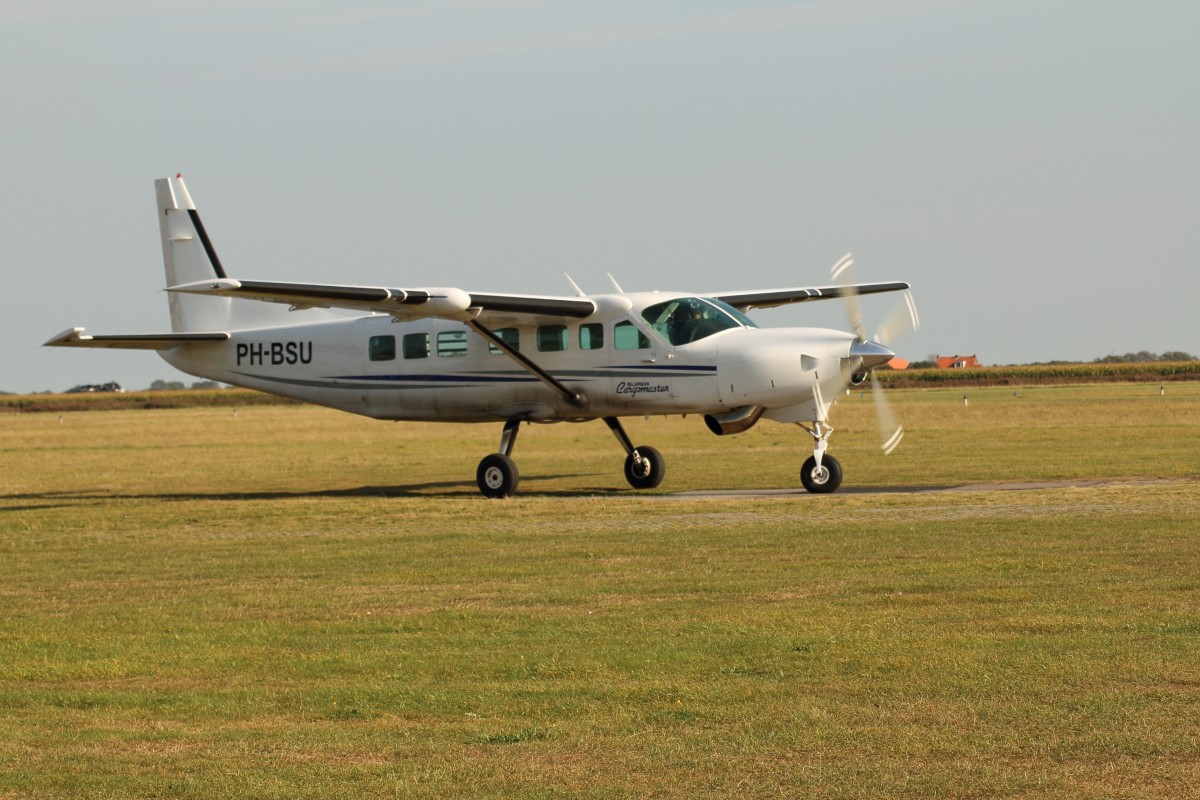
This tells us something about the manoeuvrability of the aircraft and therefore how much space it is going to need to turn and so on. In practice, it is also a handy proxy for aircraft size: category A (‘Cat A’) aeroplanes are usually small (with some honourable exceptions) and category B is quite encompassing, going from small twin-engined planes like the Beechcraft Baron to regional airliners like the ATR 72.What are these categories?
The non-technical explanation is that this refers to a range of theoretical speeds that the aircraft is assumed to be at when about to land.
DP4 – Allow daytime approaches
| Type | Must |
|---|---|
| Rank | A |
| Categories | Operational |
The procedures must be flyable by day without too many unnecessary restrictions.
DP5 – Emergency flights take priority
| Type | Must |
|---|---|
| Rank | A |
| Categories | Safety, operational |
Regardless of any traffic restrictions that might be imposed when an IFR approach is in progress, VFR or IFR emergency flights such as air ambulance, fire fighting, police or aircraft in distress must take precedence unless safety would be compromised.

DP6 – Minimise the pilot workload
| Type | Should |
|---|---|
| Rank | A |
| Categories | Safety |
With the possible exception of Kryštof 07, most operations are expected to be single-pilot IFR GA flown by students or low hour pilots.
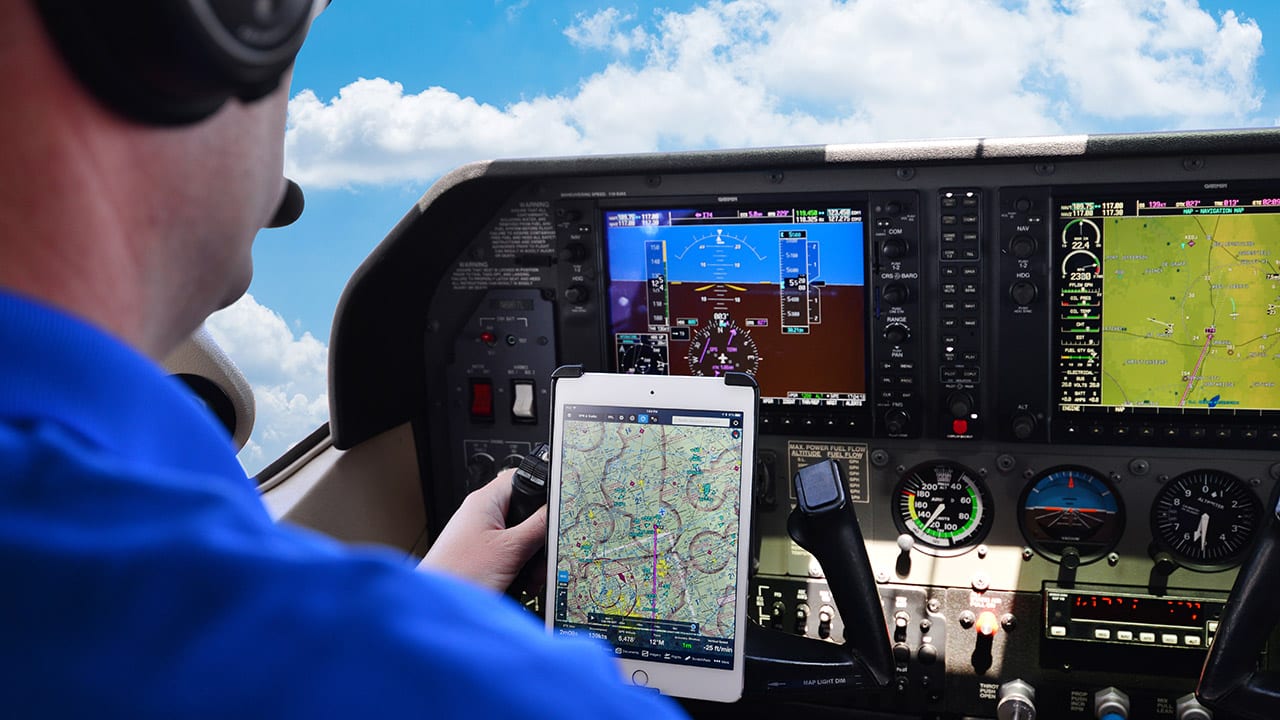
Credit: [iPad Pilot News](https://ipadpilotnews.com/).
DP7 – Allow commercial operations
| Type | Should |
|---|---|
| Rank | A |
| Categories | Financial, operational |
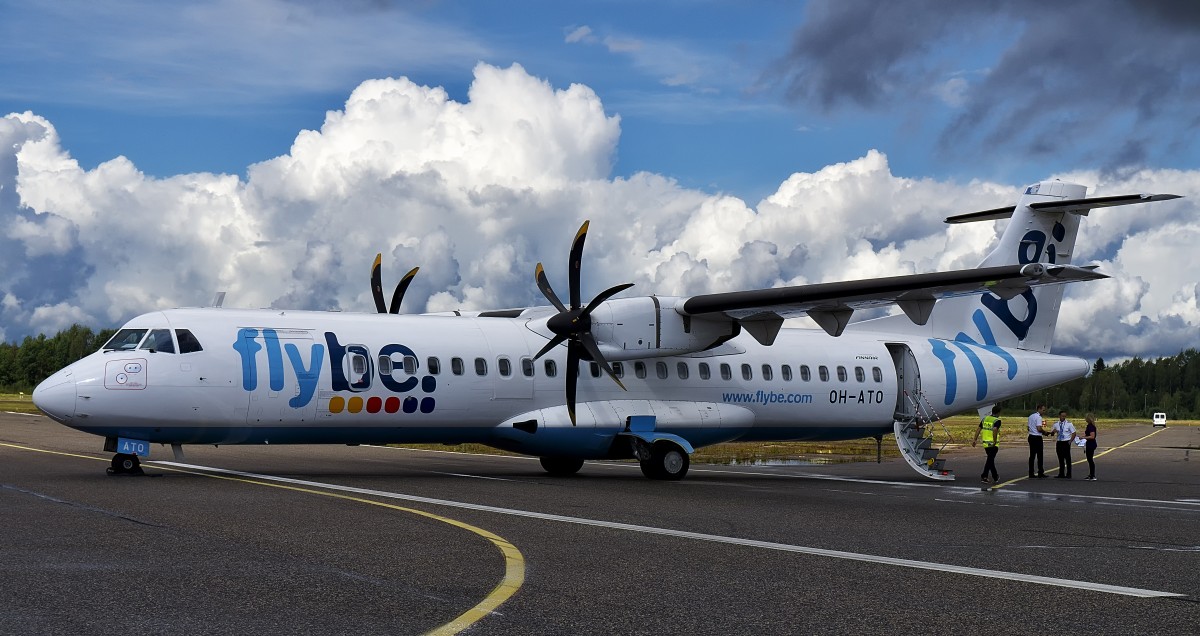
The solution should be usable by some Commercial Air Transport (CAT) operations, even if limited in scope – for instance, charter flights with Cat B passenger aircraft or cargo delivery.
DP8 – Cater for helicopter approaches
| Type | Must |
|---|---|
| Rank | B |
| Categories | Operational |
The needs of helicopter pilots and operators should be considered both to take into account use of IFR in a HEMS context and for private General Aviation activity (air taxi, private owners, …)
This may take the form of specific Cat H procedures or the standard approach may be used down to Cat A minima, provided it is acceptable to rotary wing pilots.
DP9 – Minimise environmental impact
| Type | Should |
|---|---|
| Rank | B |
| Categories | Environmental |
Includes minimisation of CO2 and noise emissions, avoidance of protected sites, and other measures designed to mitigate the effects on the environment.
DP10 – Minimise impact on other airspace users
| Type | Must |
|---|---|
| Rank | B |
| Categories | Operational |
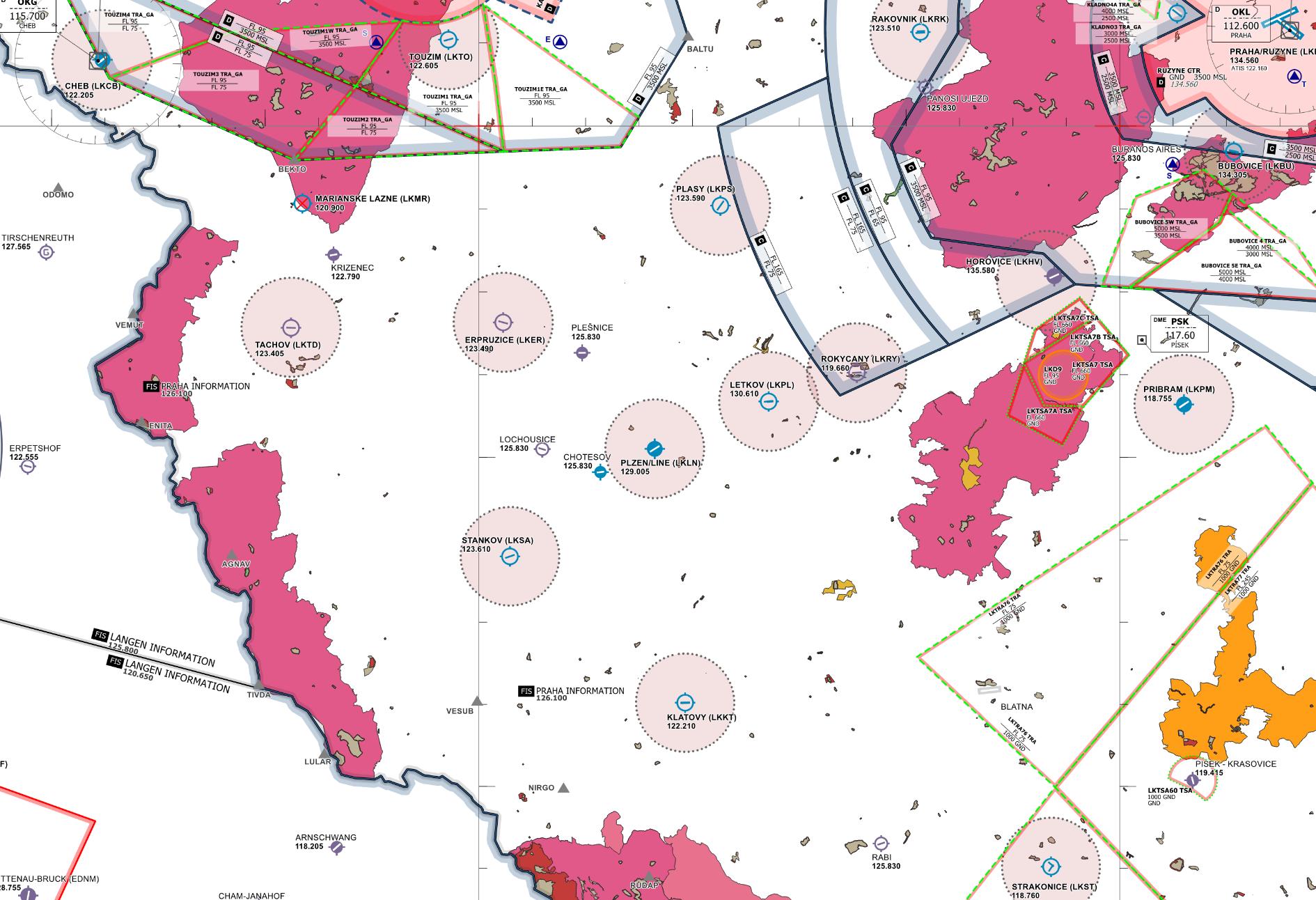
Due to the density of aerodromes in the area, some impact on their operations will be unavoidable but ways should be found to adopt a solution that is as little disruptive as possible.
DP11 – Keep infrastructure costs affordable
| Type | Should |
|---|---|
| Rank | B |
| Categories | Financial |
Required changes to the airport infrastructure should be within the means of the airport operator, even if that means implementing a more restrictive solution.
DP12 – Keep maintenance costs affordable
| Type | Should |
|---|---|
| Rank | B |
| Categories | Financial |
Operational changes and recurring costs incurred as a result of this project should be kept at affordable levels in order to ensure continuity of operations and their safety.
DP13 – Avoid overflight of densely populated areas
| Type | Should |
|---|---|
| Rank | C |
| Categories | Safety, environmental |
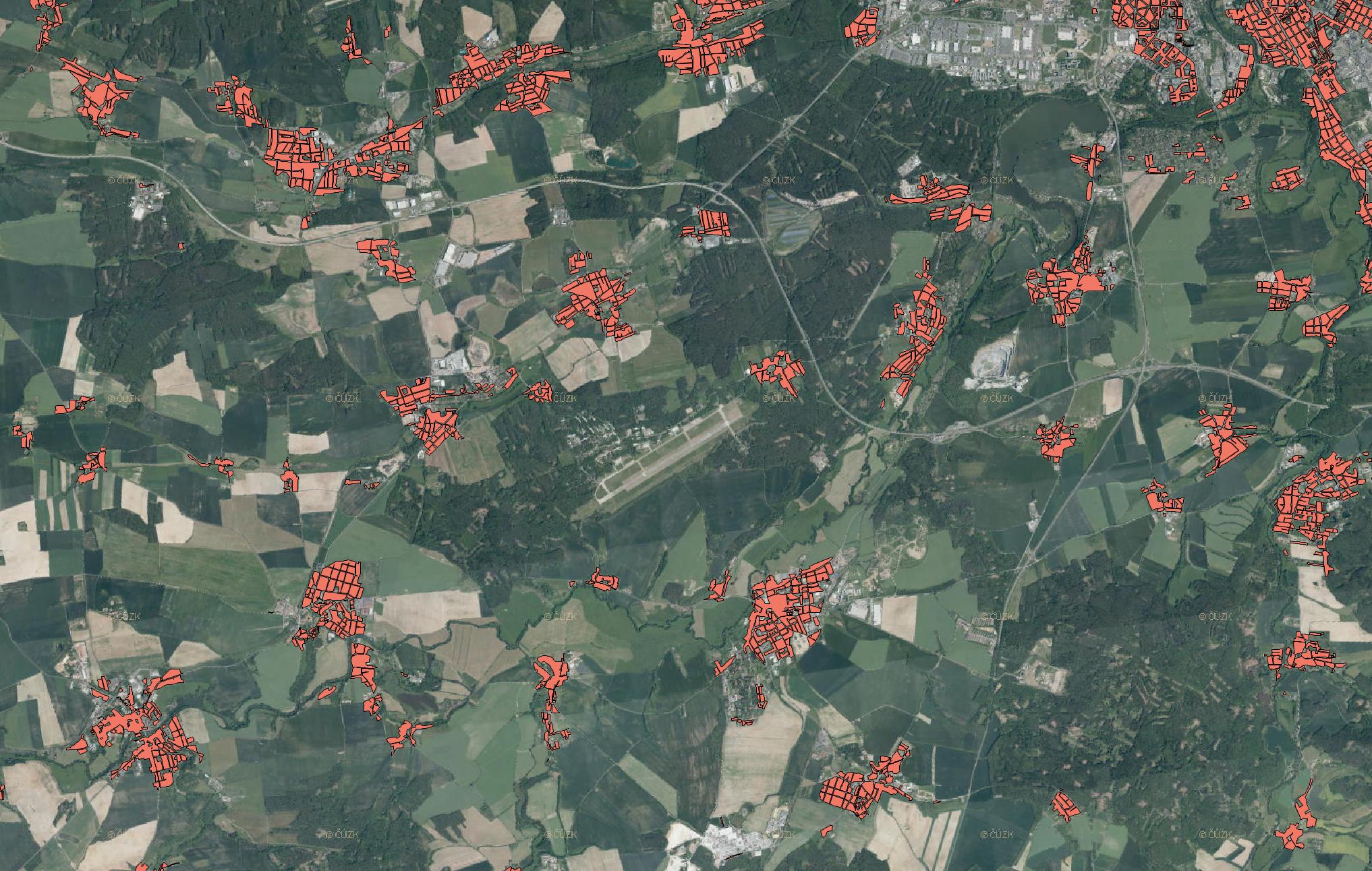
Overflying populated areas both increases risk to people on the ground and causes disturbance due to noise.
DP14 – Provide an upgrade path
| Type | Should |
|---|---|
| Rank | C |
| Categories | Financial, operational |
This project is envisaged as a first step to gain technical and operational experience and competence in the provision of IFR services in a new (for the Czech Republic) category of operations, namely instrument approaches in uncontrolled airspace. It should serve as a stepping stone towards a latter expansion of the range of services (night, larger aircraft, low visibility operations, etc)
DP15 – Allow night-time approaches (IMC/VMC)
| Type | Should |
|---|---|
| Rank | B |
| Categories | Operational |
Consideration shall be given to the possibility of allowing some form of night operations, even if limited, while addressing the issue of night-time aviation noise and after consultation with the local administrations. This might be of particular interest to Kryštof 07.
DP16 – No operations in low-visibility conditions
| Type | Won't |
|---|---|
| Rank | C |
| Categories | Operational |
Low visibility operations are specifically excluded from the scope of this project due to the risk induced by their complexity and the associated infrastructure and implementation costs.
DP17 – No allowance for Cat D, E approaches
| Type | Won't |
|---|---|
| Rank | C |
| Categories | Operational |
These categories are excluded from the scope of this project. Note that category C aircraft are neither included nor excluded.
Other principles
Did we forget anything anything? Please let us know.